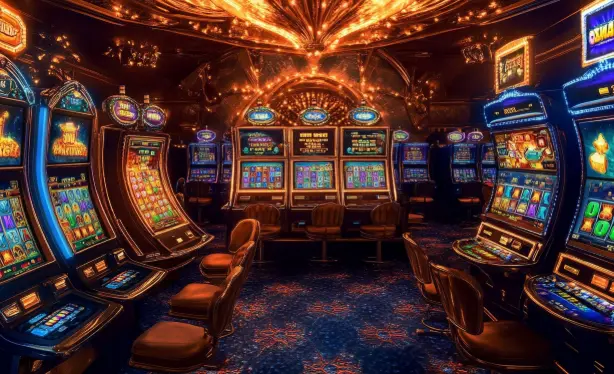
Bet Limit Casino: Why Do They Restrict You?
Every time a high-roller tries to slam a five-figure wager on a single hand and gets slapped with a "maximum bet exceeded" error, the same angry question hits the forums: why does the house suddenly hate free money? The brutal truth is that a bet limit casino policy is not about protecting you, and it is almost never about risk aversion in the naive sense. It is a cold, algorithmic gate designed to protect margin, manipulate volatility, and quietly flag the exact kind of player who threatens the operator's edge.
The Margin Trap Behind Table Maximums
Strip away the marketing and a casino is a margin machine. Every game carries a built-in house edge, and the operator's expected value scales linearly with your stake. So logically, they should want you betting bigger, right? Wrong. Here is where the math gets vicious. When a whale drops a massive stake on a single baccarat shoe or a blackjack hand, the operator is no longer harvesting a smooth statistical edge over ten thousand rounds. They are exposed to one violent swing of variance. A single lucky shoe can vaporize the profits of an entire week. 🤔 That is why table maximums exist. They cap the variance per hand so the law of large numbers drags the operator back to its guaranteed grind.
Algorithmic Profiling and the Soft Ban
Modern platforms do not just post a static number on the felt. They run dynamic profiling engines that adjust your personal ceiling in real time. The moment your betting pattern reads as "advantage play" — consistent flat betting, perfect basic strategy, card counting tells, or exploiting a promo loophole — the system tags you. Suddenly your maximum drops from five thousand to fifty. This is a soft ban, and it is executed through the bet limit mechanism because banning you outright would trigger a public relations nightmare and regulatory scrutiny. They would rather throttle you into leaving on your own.

Hardware, Shufflers, and the Information Asymmetry
Ever wondered why the maximum on a continuous shuffling machine table is often lower than on a hand-shuffled table? That is not a coincidence. The hardware gives the operator tighter control over card exposure and penetration, and the lower limit reduces the damage of any theoretical advantage play that slips through. The whole architecture — from the RNG seed rotation to the shuffle point — is engineered to keep the informational edge firmly on the house side. When they restrict you, they are protecting that asymmetry. It is not personal. It is structural.
Bonus Abuse and the Velocity Flag
Sign-up bonuses, free spins, cashback offers — every one of them carries a hidden maximum bet clause buried in the terms. Bet above that threshold while clearing a bonus and the operator voids your winnings. This is not a bug. The low cap during wagering requirements is a deliberate trap to catch bonus hunters who try to clear a rollover with a few oversized, high-variance bets. The system flags velocity: rapid, large, low-margin wagers. Cross the line and your account gets frozen, your balance confiscated, and your IP logged. A harsh reality, but that is the game behind the game.

Jurisdictional Caps and Liquidity Ceilings
Regulatory frameworks in different markets impose hard caps on maximum exposure per player per round. A licensed operator in a tightly controlled jurisdiction cannot legally accept a bet that exceeds its posted liquidity guarantee. This is why the same game can show wildly different maximums depending on where you are physically located or which license the operator holds. The limit is not the casino being shy. It is a liquidity and compliance ceiling enforced from above. The operator would happily take your money, but the regulator has drawn a line in the sand.
What the Limit Really Signals
When you see a low maximum, read it as a confession. It tells you the operator's model is fragile, their bankroll is thin, or their tolerance for sharp action is near zero. A confident house with deep liquidity and a genuine statistical edge will happily take large bets because they know the math grinds you down over time. The tighter the cap, the more the operator fears you. That is the signal buried in every restriction.